 By David Luis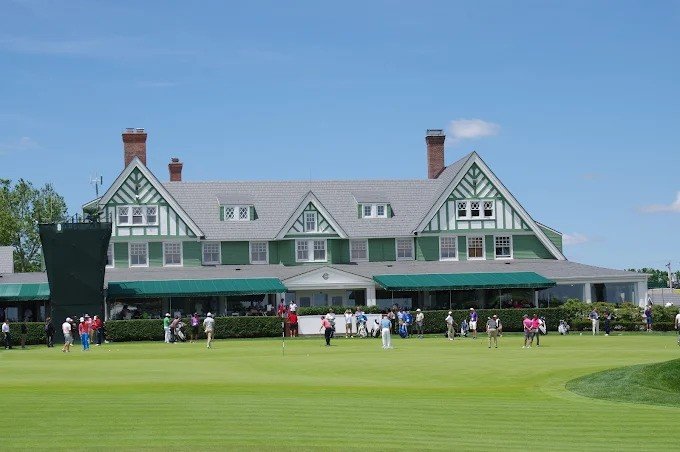
Verdict: Recommended — if you can get invited
Initiation Fee: ~$150,000 (reported; not published)
Est. All-In Annual Cost: $17,000–$25,000 before guest and caddie spend
Best For: Serious golfers who want the hardest championship test in America
Avoid If: You want resort amenities, or a membership you can simply apply for
Last Reviewed: 2026-07-10
The first time I stood beside the Church Pew bunkers, I understood why grown men whisper here. This Oakmont Country Club review covers the private club in Oakmont, Pennsylvania — host of a record ten U.S. Opens. My honest take after years around championship clubs: it is the purest golf membership in America, and among the hardest to get.
Below you’ll find what it really costs, how people actually join, and what members say when the gates close.
Oakmont doesn’t sell luxury. It sells difficulty — and its members wear that difficulty like a badge.
Club Overview

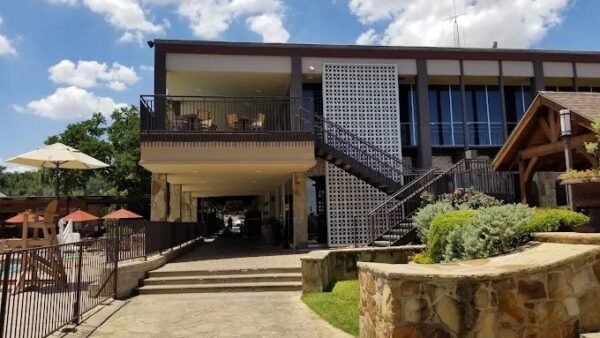
Image: Oakmont Country Club.
Henry C. Fownes built Oakmont in 1903 on farmland northeast of Pittsburgh. It has barely softened since. The course is a National Historic Landmark, and the club has hosted more U.S. Opens than any site in the country — including the 2025 U.S. Open won by J.J. Spaun’s 64-foot walk-off putt. The championship returns in 2033.
| Club Type | Private Country Club (golf-first) |
|---|---|
| Location | Oakmont, Pennsylvania (Pittsburgh metro) |
| Founded | 1903 |
| Membership Categories | Resident, National (capped at 75), Spousal, Junior, Social |
| Initiation Fee | ~$150,000 resident / ~$25,000 national (reported) |
| Monthly Dues | ~$1,250 (reported) |
| Food & Beverage Minimum | ~$2,000 per year (reported) |
| Waitlist | Invitation only — no public application |
| Golf | 18 championship holes + 9-hole short course; ~175 bunkers |
| Other Amenities | Historic clubhouse, dining, pool, racquet sports, caddie program |
| Dress Code | Traditional private-club standards; walking golf culture |
| Official Website | oakmontcountryclub.org |
Membership Costs & Fees
Oakmont publishes nothing. The best public numbers come from Golf.com’s reporting around the 2025 U.S. Open, and they’re more layered than most sites tell you.
- Resident initiation: in the neighborhood of $150,000.
- Monthly dues: around $1,250, plus a food-and-beverage minimum near $2,000 a year.
- National membership: about $25,000 initiation, capped at 75 members — the quiet bargain of elite American golf.
- Spousal members: pay the same initiation as nationals.
- Junior members: begin paying their initiation at age 25 — a deliberate generational pipeline.
- Social members: reduced cost with limited golf privileges.
The hidden line is the caddie. Oakmont is a walking club with a serious caddie program. Budget $100+ per round with tip. Nobody itemizes that in the brochure, because there is no brochure.
All figures are reported estimates as of 2026, not published rates. Treat them as directional.
Read how much a US golf membership costs for how this compares across the clubs in our database.
For the wider picture, see our guide to dress code at member clubs.
Dining spend on top of dues is compared across clubs in food minimums, bar credits and levies.
How to Join
You don’t apply. You get asked. Golf.com put it plainly: you need to know the right people or hold real standing in golf circles.
The practical path runs through existing members — sponsorship, quiet vetting, then a board decision. The national category exists for accomplished golfers outside Pittsburgh, and its 75-member cap keeps it scarce. There is no published waitlist because the front door doesn’t exist.
Amenities: The Full Tour
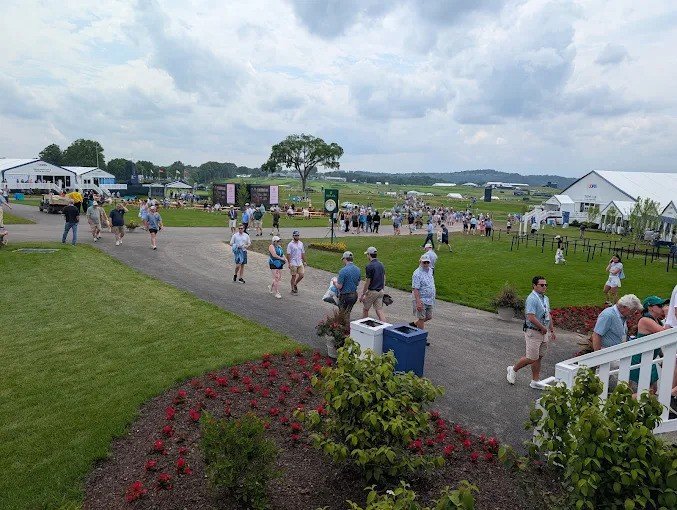
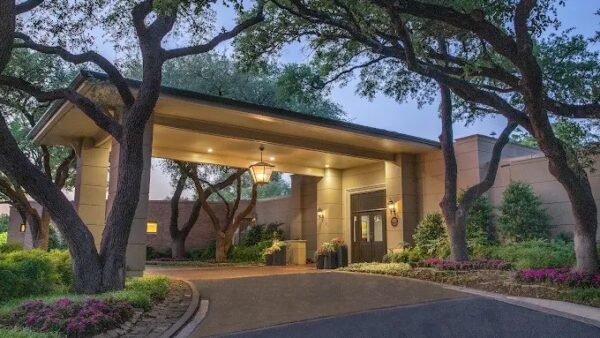
Image: Oakmont Country Club
Golf
The course is the amenity. Around 175 bunkers, ditches instead of water, and the fastest members’ greens in America — reviewers report 14–15 on the Stimpmeter for member play, then the club slows them down for U.S. Opens. The Stimpmeter itself was invented after Edward Stimpson watched balls run away at the 1935 Open here.
The Church Pews between the 3rd and 4th fairways are golf’s most famous hazard — and there’s a second set at 15 most first-timers never notice. Gil Hanse’s restoration ahead of the 2025 Open sharpened the edges without softening anything.
Clubhouse & Grounds
The 1903 clubhouse anchors a National Historic Landmark property, full of championship memorabilia. It’s a museum you can eat dinner in.
Beyond Golf
There’s a pool, racquet sports, and family dining — genuinely good, but nobody joins Oakmont for the pool. This is a golf-first club that keeps country-club amenities as a courtesy.
Dining & Social Calendar
Member dining is traditional and strong, with the F&B minimum keeping the rooms busy. The social calendar peaks around championships — hosting a U.S. Open every few years is the club’s version of a gala.
Family & Kids
The junior structure says everything: kids of members grow into membership and start paying initiation at 25. Families use the pool and short course, and the 9-holer is one of the best junior training grounds in the state.
Guest Policies & Reciprocal Clubs
Guest play is member-hosted only, and an Oakmont invite is one of the most coveted in golf. Members guard their guest privileges accordingly. Formal reciprocity is not published; access travels through relationships, not networks.
Culture, Dress Code & Vibe
Old-school, walking-golf, no pretense. The membership takes visible pride in difficulty — the greens stay at speeds most clubs would call unfair. Dress is traditional private-club standard. Phones stay quiet. This is western Pennsylvania old money and serious golf, not see-and-be-seen.
What Members Actually Say
Member chatter is scarce — that’s the culture — but the signals are consistent.
The consistent praise: course purists like The Fried Egg call it the most complete test in American golf, and members echo that pride.
The consistent complaint: access, even for members’ guests, is tightly rationed — and the course shows no mercy to a 15-handicap.
The surprise: insiders say the greens roll faster on a Tuesday member game than they did for the 2025 U.S. Open field.
What I Liked
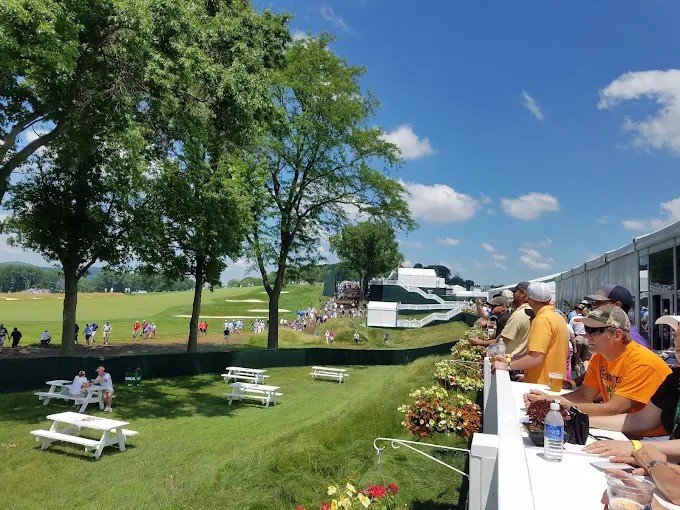
Image: Oakmont Country Club.
- Ten U.S. Opens and counting — the 2033 return is already booked.
- Members’ greens at 14–15 on the Stimpmeter; the purest putting test in America.
- National membership at ~$25,000 is the best value in elite golf, if you’re ever offered it.
- Caddie-and-walking culture keeps rounds brisk and traditional.
- A National Historic Landmark you can play, not just tour.
What I Didn’t Like
- No application path — merit and money alone won’t get you in.
- Six-figure resident entry plus real annual carry.
- Golf-first amenities; light on resort comforts for non-golfing spouses.
- Pittsburgh winters close the season roughly November through March.
Is It Worth It?
Run the numbers. Dues near $15,000 a year plus the $2,000 minimum lands around $17,000 before caddies. A resident member playing 60 rounds pays roughly $285 per round on carry costs alone — for the best-conditioned hard course in the country, that’s defensible.
The national membership math is absurd in the other direction: $25,000 in, modest dues, and Oakmont on your resume. If you’re offered it, you say yes. Compare that with Valhalla’s more accessible major-venue membership, or Winged Foot for the East Coast equivalent of this conversation.
Who Is This Club For?
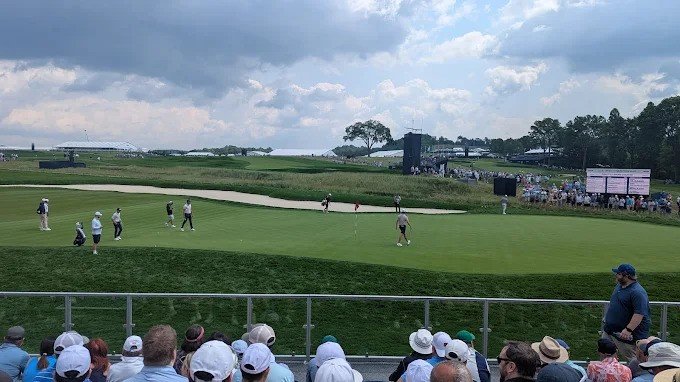
Image: Oakmont Country Club.
This club is a good fit if you’re a low-handicap traditionalist who measures a club by its golf course. Nothing in America tests you harder, more often.
It also fits accomplished out-of-town golfers offered the national tier. That’s a once-in-a-lifetime phone call.
Skip it if your family wants a resort — the pool is fine, but the club’s soul lives on the greens. And skip the dream entirely if you’re waiting for an application link. It isn’t coming.
People Also Ask
How much does it cost to join Oakmont Country Club?
Reported figures put resident initiation near $150,000, with monthly dues around $1,250 and a $2,000 annual food minimum. A national membership, capped at 75 people, reportedly costs about $25,000. The club publishes no rates, so treat all figures as estimates.
Can the public play Oakmont Country Club?
No. Oakmont is fully private, and access comes through a member invitation. The realistic public paths are spectating a championship — the U.S. Open returns in 2033 — or earning an invite through golf circles. There are no public tee times at any price.
Why is Oakmont considered the hardest course in America?
Speed and severity. Members’ greens run 14–15 on the Stimpmeter, faster than U.S. Open setups, guarded by roughly 175 bunkers including the Church Pews. There’s no water and little need for it — the ground itself is the defense.
How many U.S. Opens has Oakmont hosted?
Ten — more than any other venue. J.J. Spaun won the most recent in 2025 with a 64-foot birdie putt on the final green. The USGA has already scheduled the championship’s return to Oakmont in 2033.
Who designed Oakmont Country Club?
Founder Henry C. Fownes designed it in 1903, and his son William hardened it for decades. Gil Hanse led the recent restoration ahead of the 2025 U.S. Open, sharpening the original character rather than modernizing it.
Does Oakmont have amenities besides golf?
Yes — a historic clubhouse, dining rooms, a pool, and racquet sports. But the club’s identity is overwhelmingly golf-first. Families are welcome; the course is still the point.
Verdict & Score
GCR Score: 4.9 / 5 — Recommended. Oakmont pairs the sternest course in America with a membership structure built on scarcity. It loses a tenth only because the experience is closed to almost everyone reading this. If the invitation ever comes, take it — and see our other country club reviews for clubs you can actually pursue.
Last reviewed: July 10, 2026.
Author Note
I’ve walked championship venues across the country, and none carry their history as heavily as Oakmont. I review clubs the way I’d brief a friend: what it costs, what it’s really like, and whether the money makes sense.